Beyond boycotts: How Dhow is building infrastructure for conscious Muslim capital
Dhow's BDS Portfolio Checker reveals what's hidden inside your stocks, ETFs, and funds, the first step toward what its founders call a circular Muslim economy.
Open your investment portfolio right now. Can you tell exactly what companies you own? What industries? Whether any of those companies profit from occupation, weapons manufacturing, or industries your values reject?
Most people can't. Most Muslim investors definitely can't. And that gap, between wanting to invest ethically and actually knowing what you own, is exactly what prompted three brothers to build the BDS Portfolio Checker, a transparency tool from Dhow, a Muslim-focused investment platform.
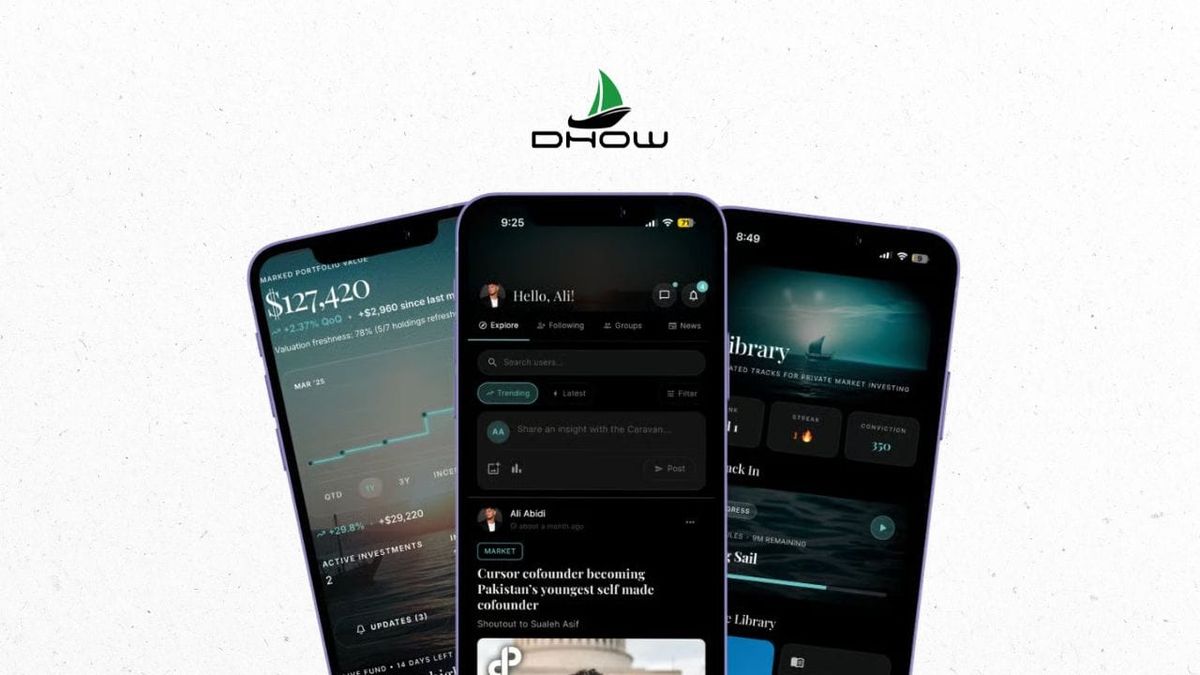
The checker works simply. The tool scans your holdings against boycott and divestment research, public company databases, and external datasets to show you exactly where your money is flowing. It's not prescriptive. It's not judging. It's transparency, something that's been mysteriously absent from the investment world, especially for Muslims trying to align capital with values.
"Most people have no idea what is sitting underneath their portfolio," Ali Abidi, one of Dhow's co-founders, explains. "The tool checks holdings against boycott and divestment-related research, public company information, and external datasets so users can better understand where their money may be flowing."
Meet the Founders
The idea for Dhow emerged from three brothers based across America, who saw the same gap from different angles.
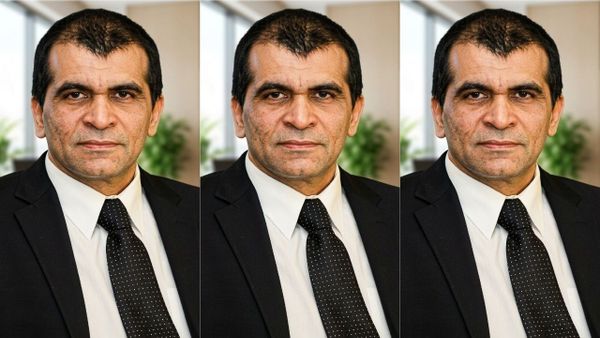
Zain Abidi is an attorney who leads the legal, fund, and compliance architecture, the unglamorous but essential work of making sure every deal is structurally sound and Shariah-aligned. Ali Abidi focuses on product and growth: the app experience, community building, and investor relations, building on his experience as an investment analyst. Raza Abidi oversees operations and finance, managing the infrastructure that keeps everything running.
Together, they saw a market that was active but underserved. Muslims were already active across public markets, real estate, startups, crypto, and private investing. But there was no trusted platform built specifically for halal-conscious investing, private markets, community ownership, and long-term wealth creation.
Everything was fragmented. Everything was generic.
Why This Matters Now
The BDS Portfolio Checker goes beyond an educational tool. It's a statement: Muslim capital should be conscious.
Watching the genocide in Palestine unfold made a lot of Muslims in the diaspora feel powerless. Not because the community lacks talent, capital, intelligence, or ambition, we have all of that. The problem is that power is scattered. Capital is scattered. Networks are scattered. And scattered power does not compound.
"For over seven years I practiced law at large firms, where my pro bono work centered on the community, and throughout that time I had been connecting Muslim capital with philanthropic and political causes. Separately, Ali was building an accelerator-backed platform designed to make private markets accessible to everyday investors. We were both tired of being reactive and wanted to be proactive, and we realized the most direct way to do that was to take control of our own capital. So we built Dhow: a community and a platform that makes it far easier for people to do exactly that," shared Zain.
That realization prompted the Abidi brothers to ask a harder question: What if the real resistance wasn't just protest or charity, but ownership? What if Muslims built the infrastructure to keep capital conscious, cycle it through their own founders, and compound wealth across generations?
That idea became Dhow. But before they could build an ecosystem for conscious investing, the brothers had to first solve a simpler problem: helping Muslim investors understand where their money is actually going.
The Gap They Saw
"We kept thinking about how other successful, wealthy, and powerful communities operate," they explain. "A dollar does not enter their community and immediately leave. It moves from hand to hand. Capital backs founders. Founders build companies. Companies create jobs. Wealth gets recycled into the next founder, the next business, the next fund, the next generation."
For Muslims in the diaspora, that cycle has been broken. Muslims are nearly 2 billion strong globally. There are doctors, engineers, operators, founders, investors, and business owners with real capital. But there has never been serious infrastructure connecting that capital to ownership in the companies shaping the future.
The brothers realized the problem wasn't a lack of resources, it was visibility. Conscious capital needs to be tracked, aligned, and circulated within community networks. Without that infrastructure, wealth was leaking before it could compound.
Their Answer: The Circular Muslim Economy
Dhow is building that infrastructure. At the core of its vision is what they call the circular Muslim economy: a system where Muslim capital cycles through Muslim companies and founders, creating wealth that compounds and returns to the community.
But before that wealth can cycle, it needs to be conscious. It needs to be tracked. It needs to be aligned with values.
What They've Built, And What's Already Live
Dhow took shape as an idea in April 2025. In a matter of months, the team has already moved beyond vision into execution:
Dhow Horizon Fund I, a seed-stage venture fund backing exceptional Muslim founders across North America.
A growing Muslim investor community on Reddit, including r/MuslimVentures.
The Dhow Dispatch, a newsletter connecting capital with opportunity.
Shariah-compliant investment structuring, ensuring every deal meets halal standards, not as a checkbox, but as a core structural element.
Dhow has benefited from strategic guidance through the Alif Sessions program and the Tech for Palestine incubator. On the fund side, Decile Group, which has supported the launch of over 50% of emerging VC funds, provides both capital and backend fund administration capabilities.
"Our goal is not to casually stamp 'halal' on deals," they emphasize. "We want to build a serious process Muslims can actually trust."
But the infrastructure starts with transparency. And that transparency starts with the BDS Portfolio Checker, the tool already in users' hands, making visible what was previously invisible.
The Long Game
The brothers' ambition extends far beyond seed-stage venture capital. They plan to democratize access to private markets with $500 minimums, breaking down barriers that have kept wealth creation inside institutional networks. Eventually, they want to offer dividend-paying private equity, other private-market products, and become the family office platform for hundreds of millions of Muslims already active in markets but lacking a serious platform built for them.
The Amanah
"For us, resistance is not only protest, charity, or commentary," the Abidi brothers say. "Those things matter, but they are not enough on their own. Long-term power comes from ownership. Ownership in the companies building AI, fintech, healthcare, media, infrastructure, and the technologies that will shape the next century."
They frame Dhow as both a business and an amanah.
"If we have the ability to build infrastructure that helps Muslims invest ethically, build wealth, back our own founders, and shape the future, then we see that as a duty."
The Starting Point
Everything they've described, from the fund, the community, the structuring, the long-term vision, all of it traces back to the same realization that prompted the BDS Portfolio Checker. Of all they're building, the Portfolio Checker is already accessible to users today, inviting every Muslim investor to make the active choice of knowing exactly what their capital is funding.
This is where the circular Muslim economy begins.